

|
|

发送给朋友
|

分享到朋友圈
|


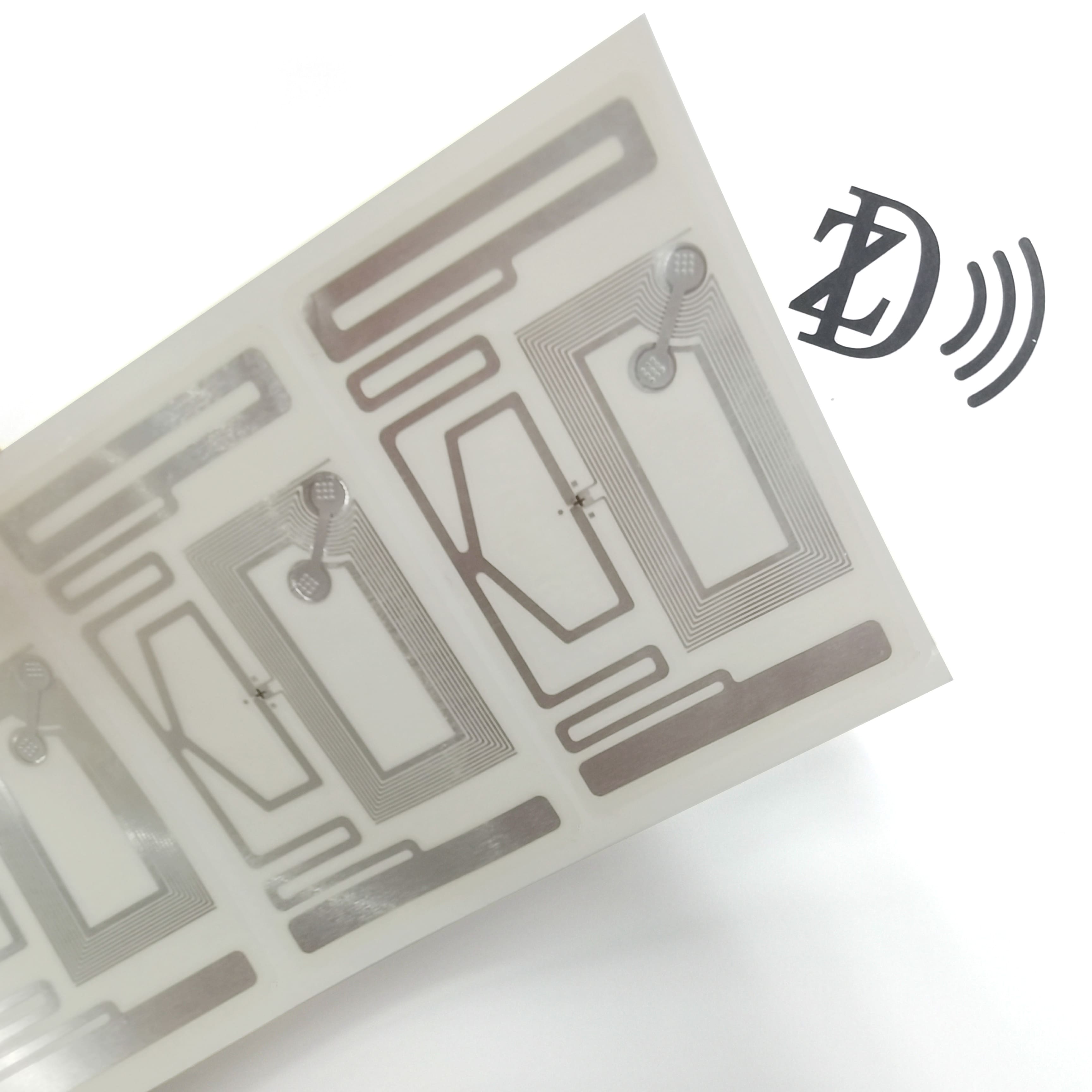
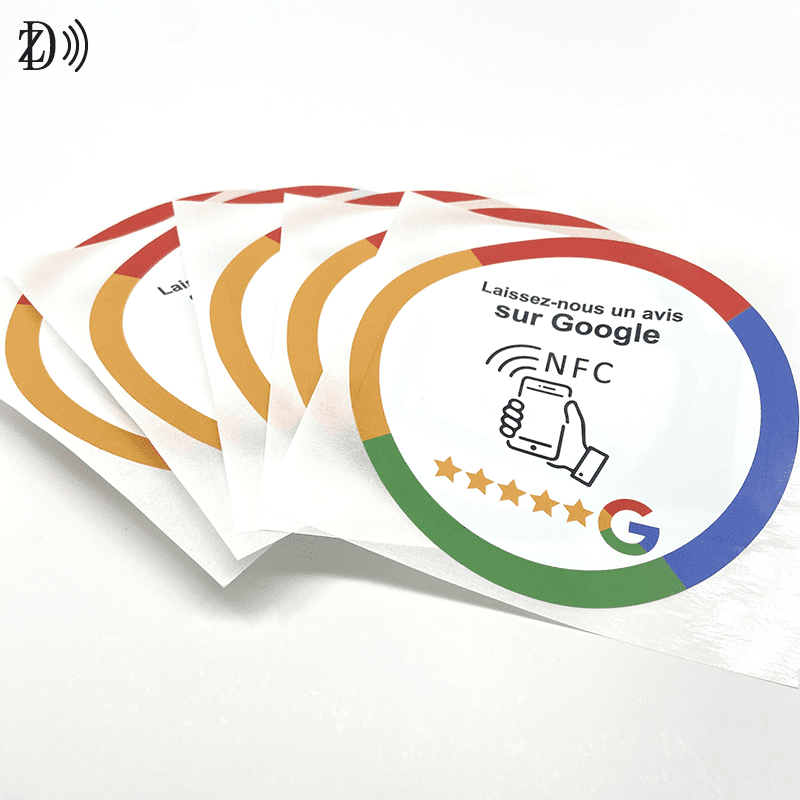
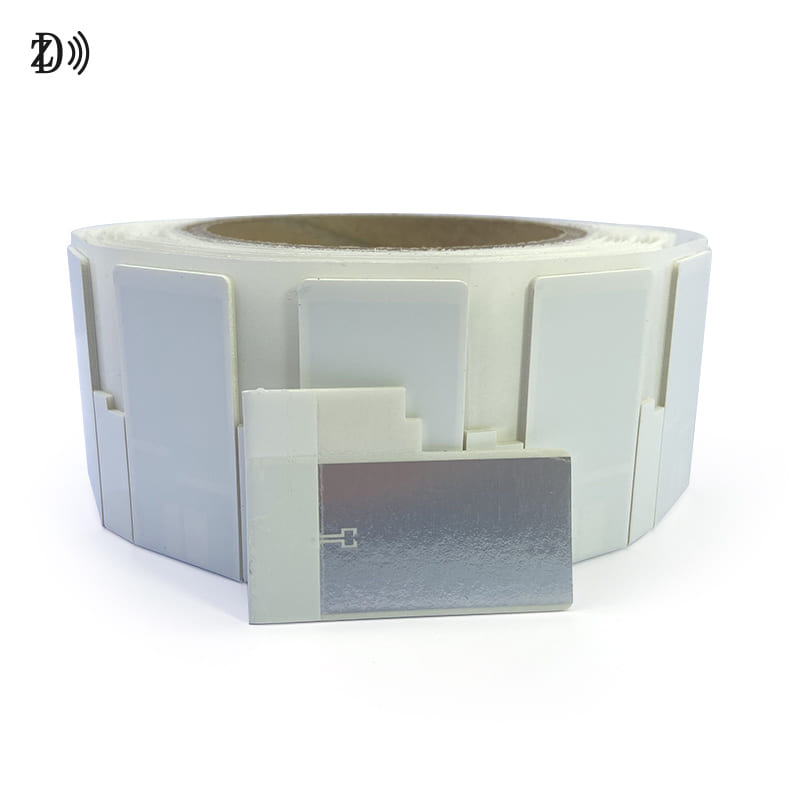
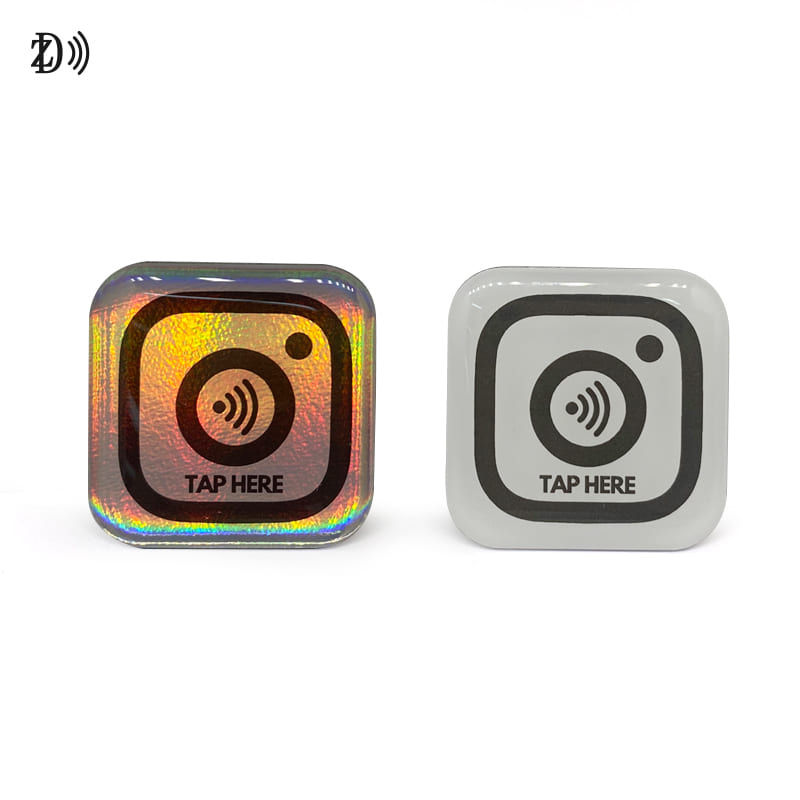
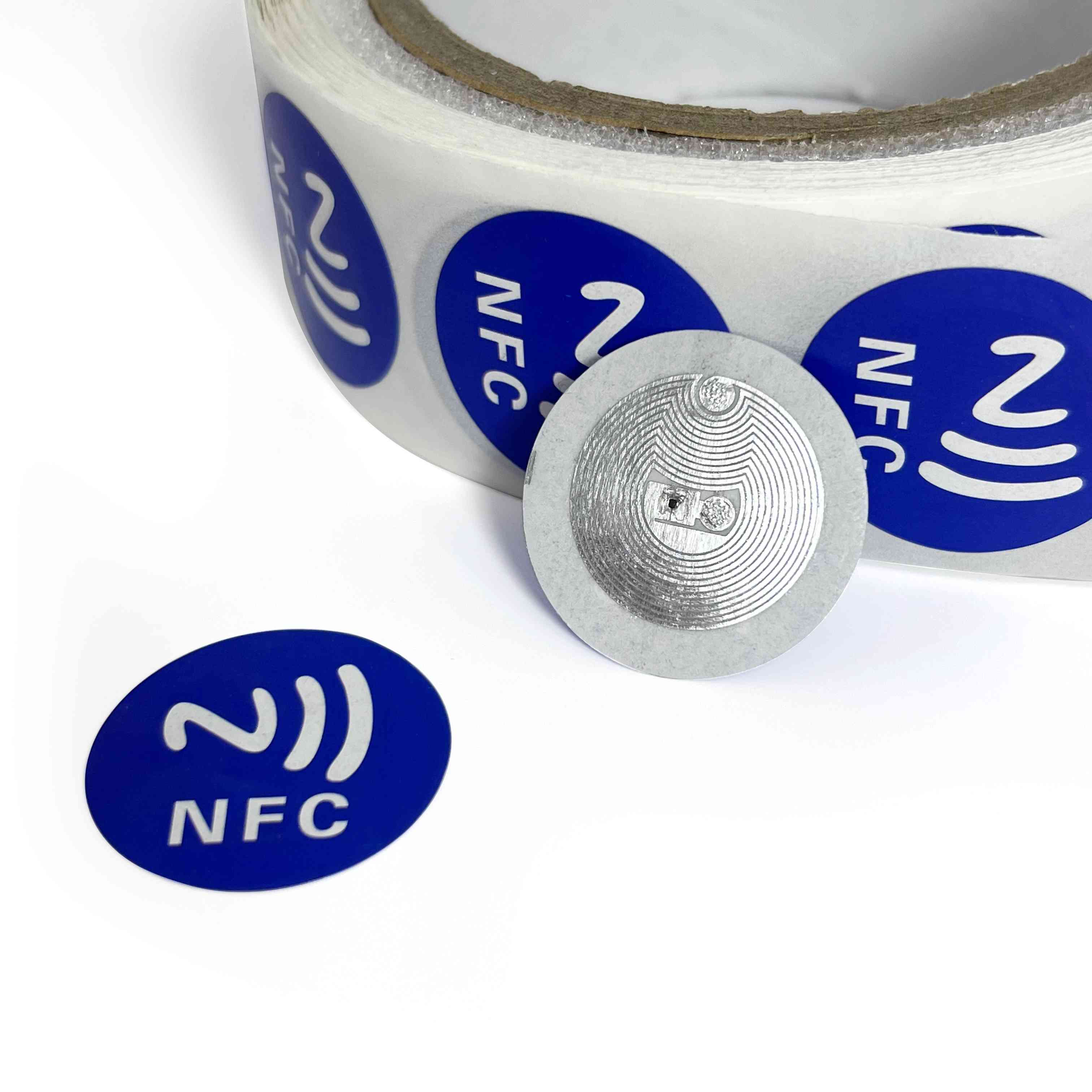
Frequency and inlay: UHF 860–960 MHz labels (such as UCODE 8/9, Impinj M700/M800, Alien H3/H4) are common for long-range inventory, pallet, and asset tracking in warehouses and retail. HF 13.56 MHz labels (such as NTAG, MIFARE, ICODE) are used for shorter-range applications like library books, access points, NFC smartphone interaction, and item-level authentication. Some projects use dual-frequency labels that combine HF/NFC and UHF in one tag.
Material and adhesive: Paper labels are cost-effective for retail, garment, and general logistics. PET and synthetic materials offer better resistance to moisture, chemicals, and abrasion for industrial and outdoor assets. Adhesive strength should match the surface type, such as cardboard, plastic, metal, glass, or fabric.
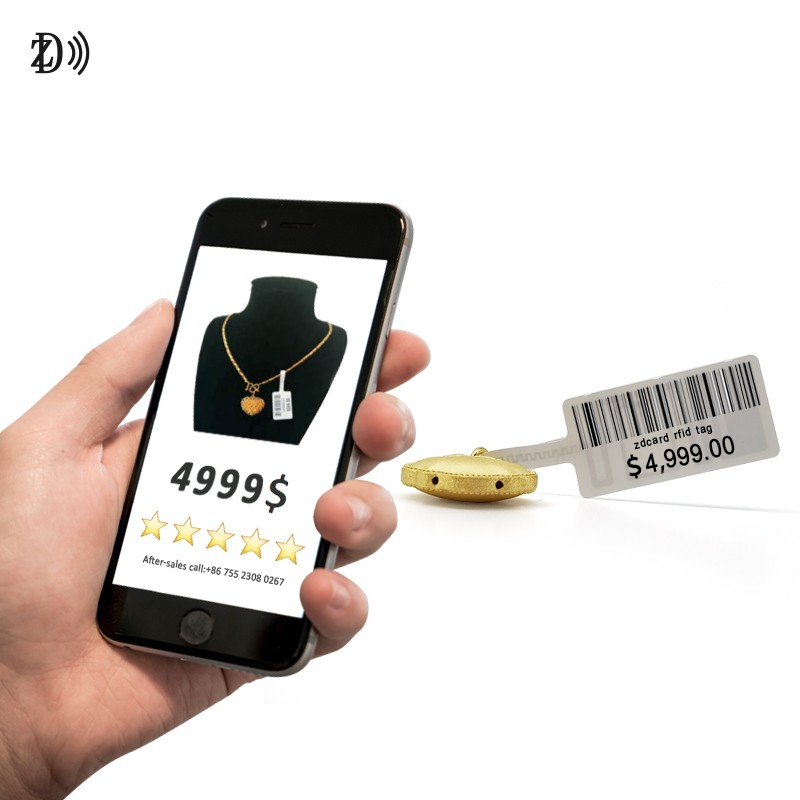
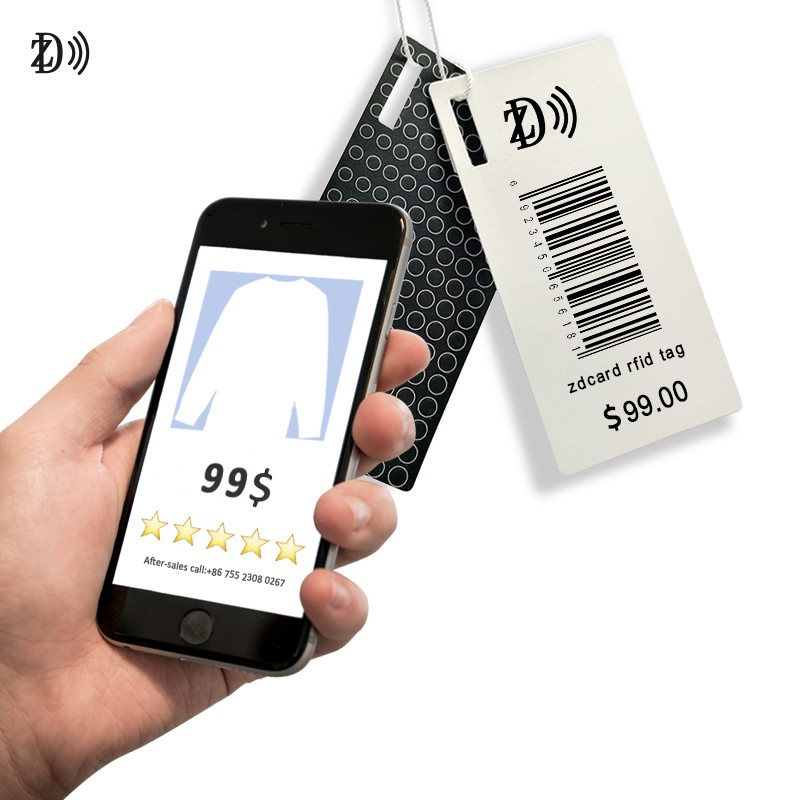
Size and form factor: Standard sizes fit most automated print-and-apply systems and hand-labeling processes. Custom die-cut sizes and shapes can be used for small items, curved surfaces, or space-constrained applications. Some labels are designed as hang tags, price tags, or specialty tags for jewelry, library books, or windshield applications.
Printing and encoding: Consider whether you need variable data printing (barcode, QR code, serial number, text) and chip encoding (EPC, TID, UID, or custom data). For high-volume retail and logistics projects, compatibility with existing label printers and software is critical.
Environment and performance: For cold-chain, food, or pharmaceutical applications, temperature-resistant materials and specialized inlays may be required. For metal surfaces, anti-metal or spacer-layer designs can improve read performance. Outdoor and harsh-environment applications may need UV-resistant and water-resistant materials.
As an RFID and NFC product manufacturer, ZDCARD supports OEM customization for RFID labels used in retail, logistics, asset management, library systems, and industrial tracking.
Inlay type and frequency: UHF, HF, NFC, or dual-frequency configurations according to the application and reader system
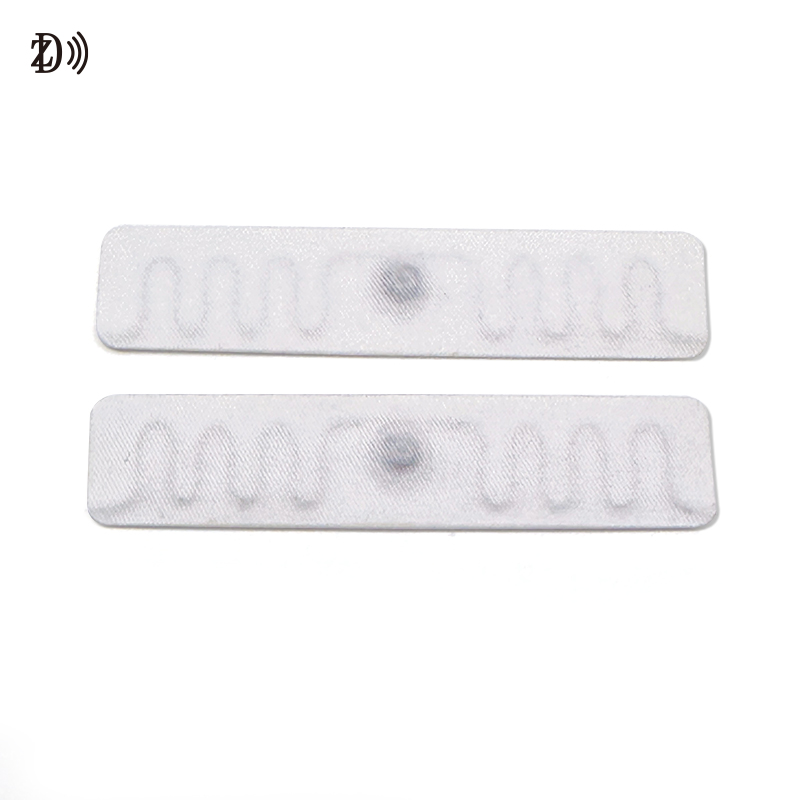
Label material: Paper, PET, synthetic materials, and specialty face stocks for different environments
Size and shape: Standard sizes or custom die-cut dimensions and shapes
Printing: Variable data printing with barcode, QR code, serial number, text, and graphics
Encoding: EPC, TID, UID, NDEF, or other data formats to align with the customer’s software and middleware
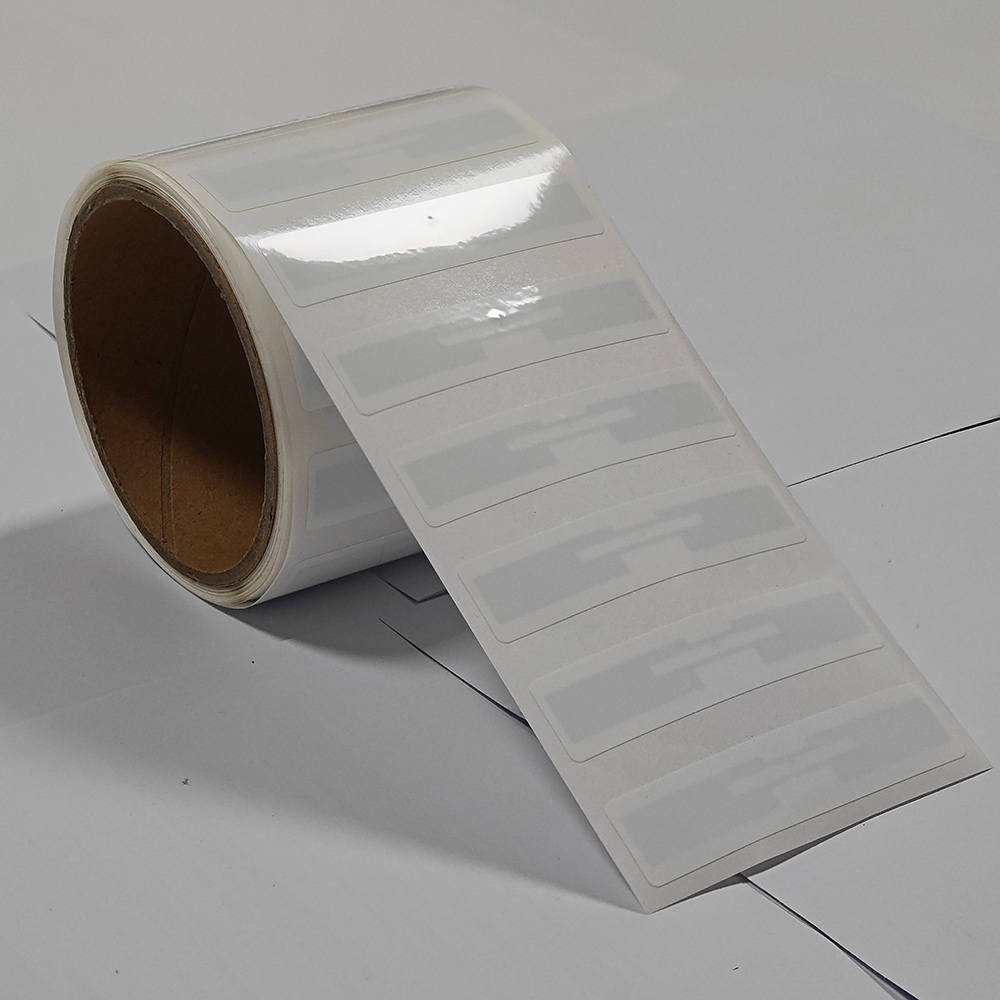
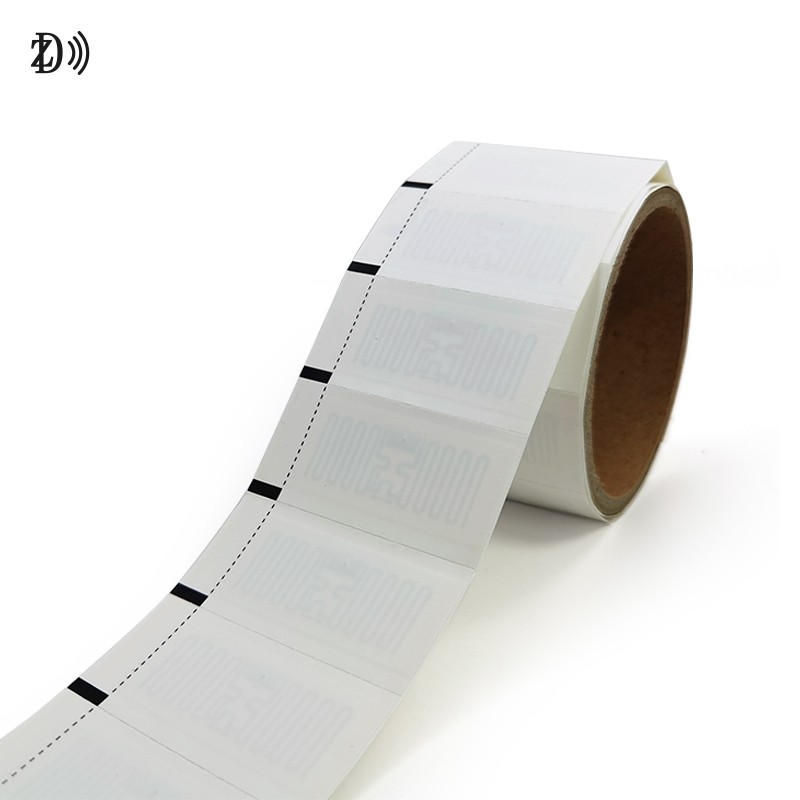
Packaging: Rolls, sheets, or custom packaging suitable for automated applicators or manual labeling
For special requirements, such as temperature-sensing labels, anti-metal structures, or specific environmental certifications, ZDCARD can evaluate feasibility based on the application and project specifications.
ZDCARD is an RFID and NFC product manufacturer based in Shenzhen, China, supplying RFID tags, cards, wristbands, and readers for identification, access control, and asset-management applications. For labeling projects, ZDCARD provides RFID labels in UHF, HF, and NFC formats, serving distributors, system integrators, retailers, logistics providers, and industrial customers.
The company supports sample testing before bulk order, provides technical guidance on inlay selection and label structure, and works with customers on printing, encoding, and packaging requirements to meet their tracking and inventory-management needs.
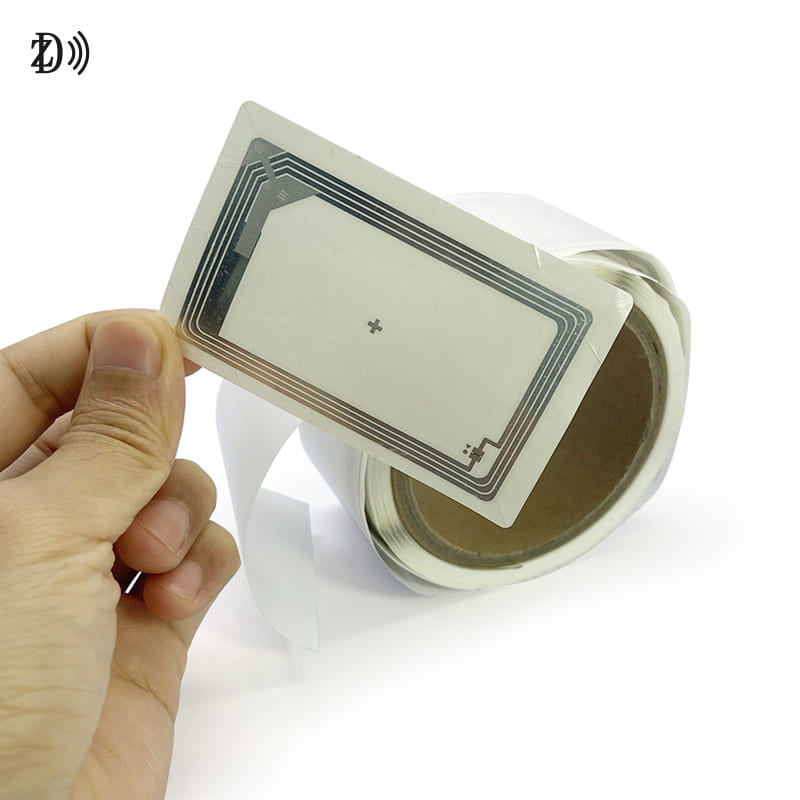
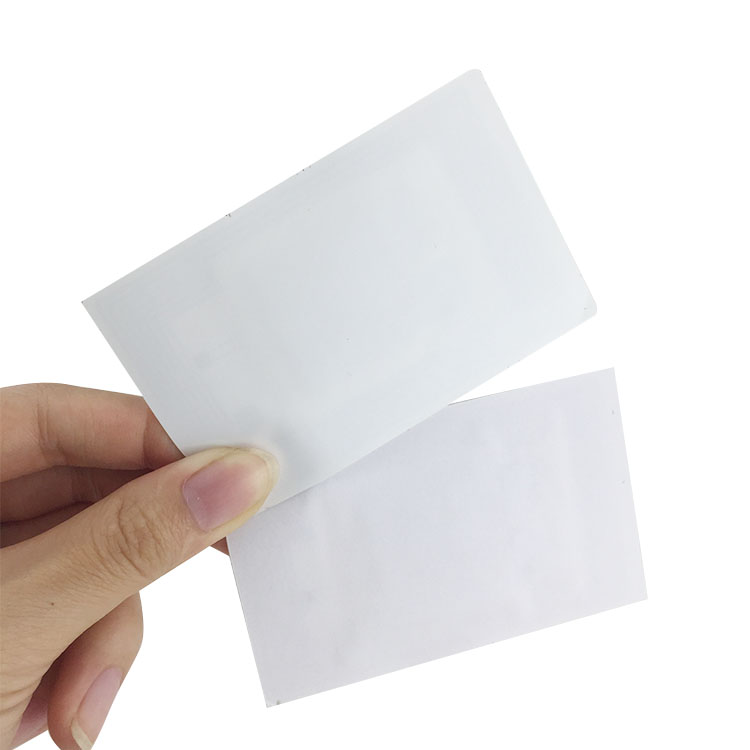
RFID labels are adhesive tags that integrate an RFID inlay into a label format. They can be used for inventory management, asset tracking, logistics, retail, library systems, and other applications where contactless identification is required.
UHF labels typically offer longer read ranges and are widely used for warehouse, pallet, and retail inventory tracking. HF and NFC labels have shorter read ranges but are suitable for item-level authentication, library management, and smartphone interaction. The correct choice depends on the reader system and application requirements.
Yes. RFID labels can be printed with variable data such as barcodes, QR codes, serial numbers, and text, and encoded with EPC, TID, UID, or custom data. ZDCARD can coordinate printing and encoding according to the customer’s system specifications.
Yes. ZDCARD can provide samples for function testing, print testing, and appearance evaluation before bulk production. Sample lead time and cost depend on the label type, inlay, and customization requirements.
Standard RFID labels may not perform well directly on metal. For metal assets, anti-metal labels or labels with special spacer layers are recommended to improve read performance. ZDCARD can suggest suitable options based on the target surface and environment.
For product inquiries, please share the target label type, estimated quantity, frequency and inlay preference, size and material requirements, printing and encoding details, and packing format (rolls, sheets, or custom) to help us prepare an accurate quotation. If samples are available, sample lead time and sample fee terms may also be provided for reference.
,ZDTECH Group Corporation Limited">






|
|
|
|
发送给朋友
|
分享到朋友圈
|