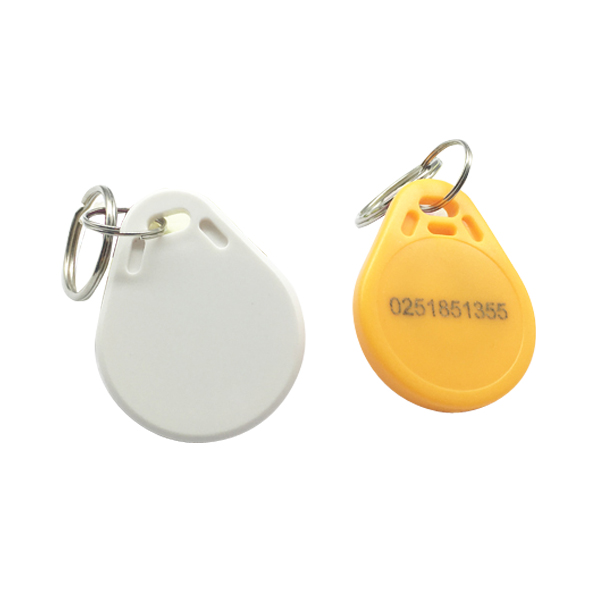
RFID Keyfobs for Access Control and Identification
RFID Keyfobs Category Overview
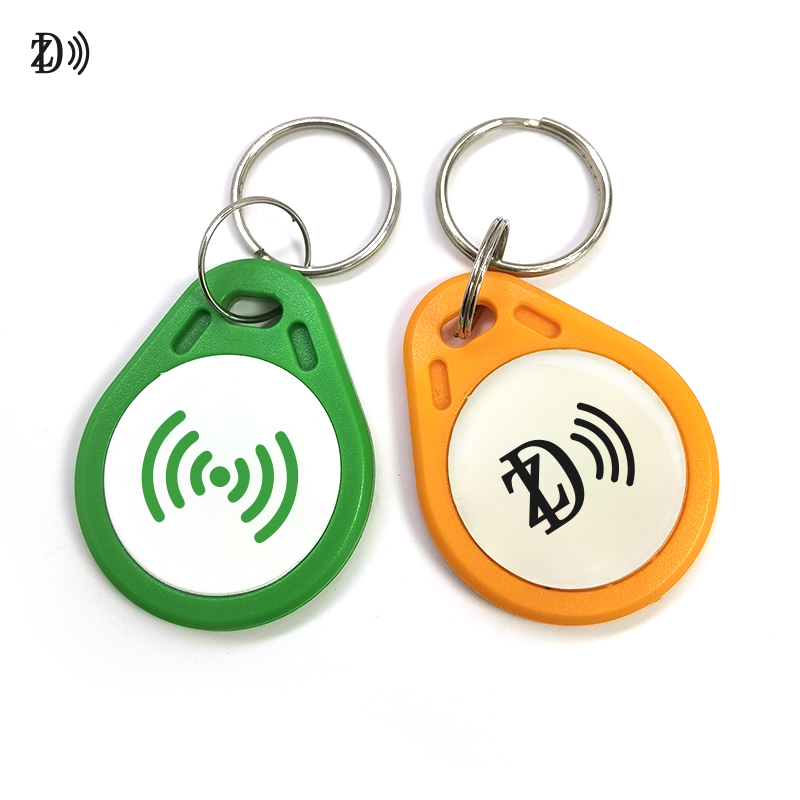
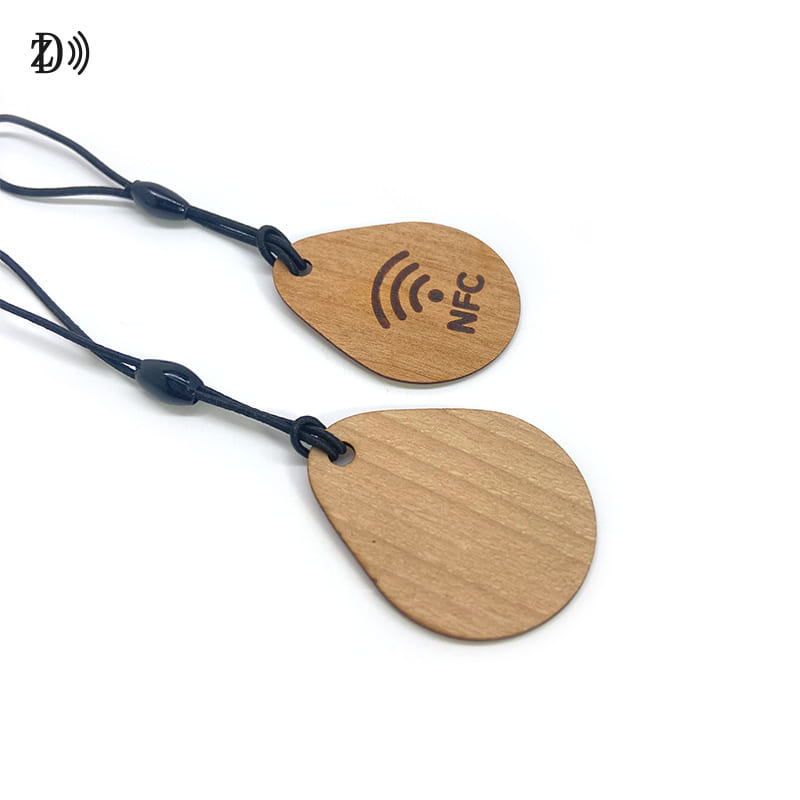
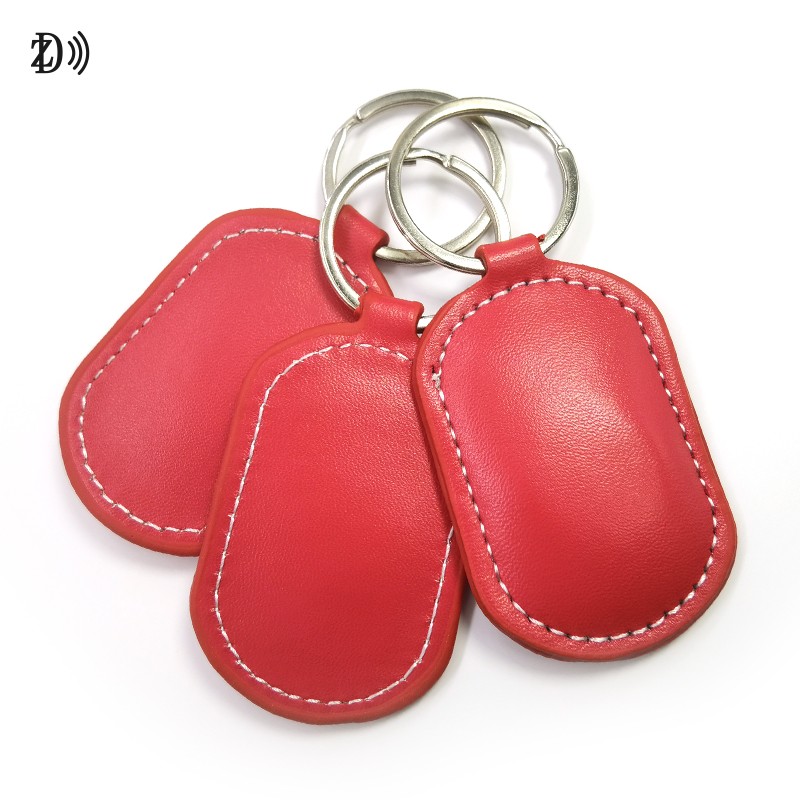
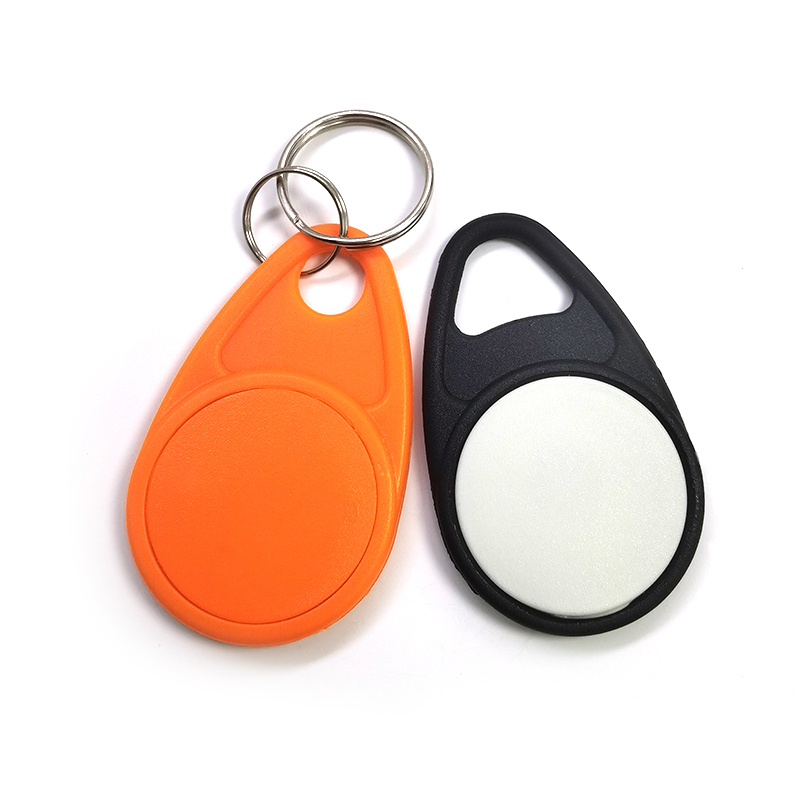
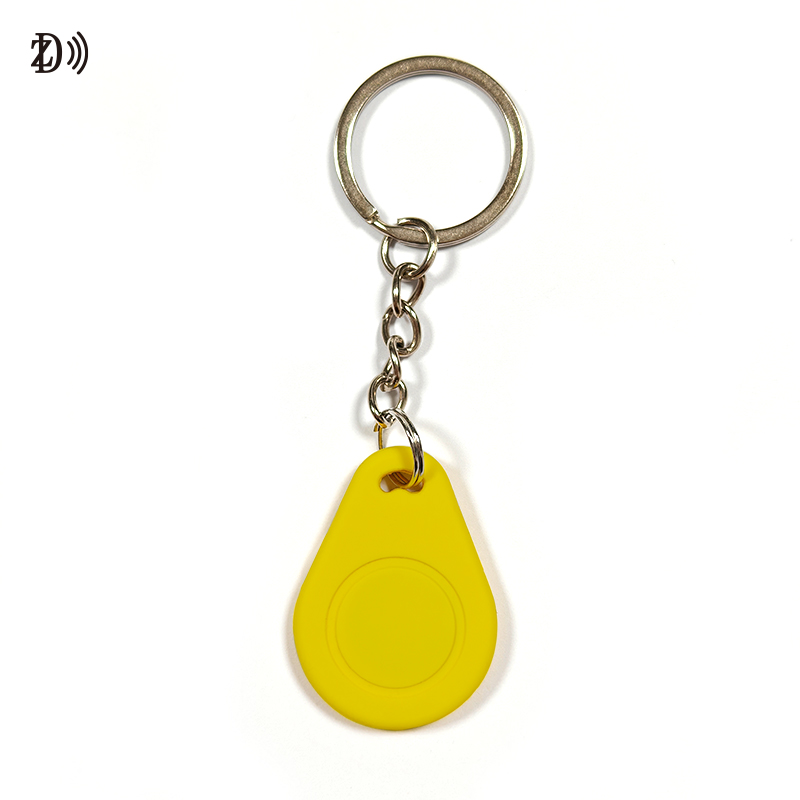
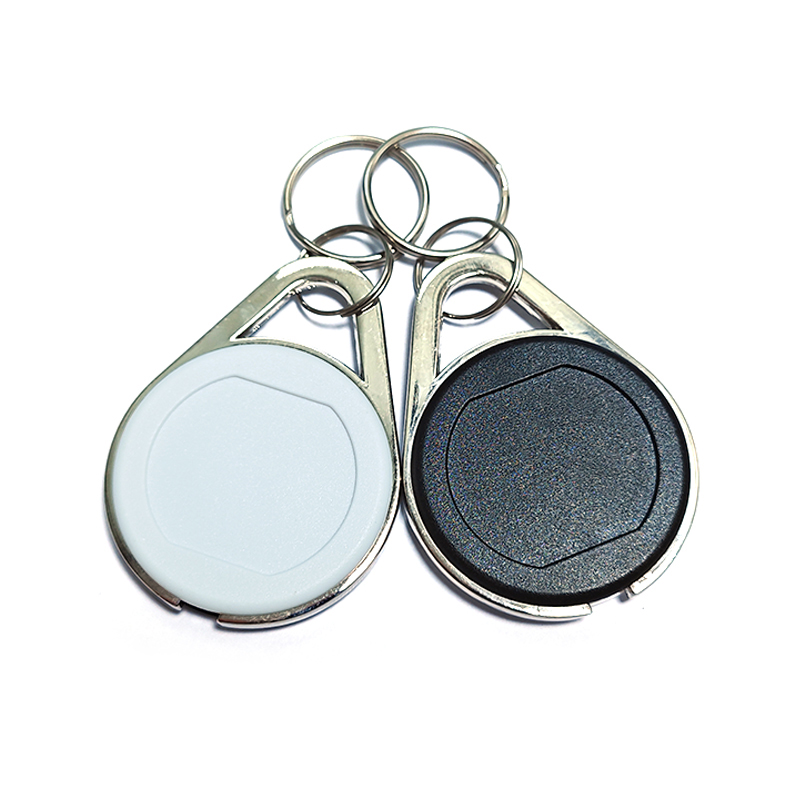
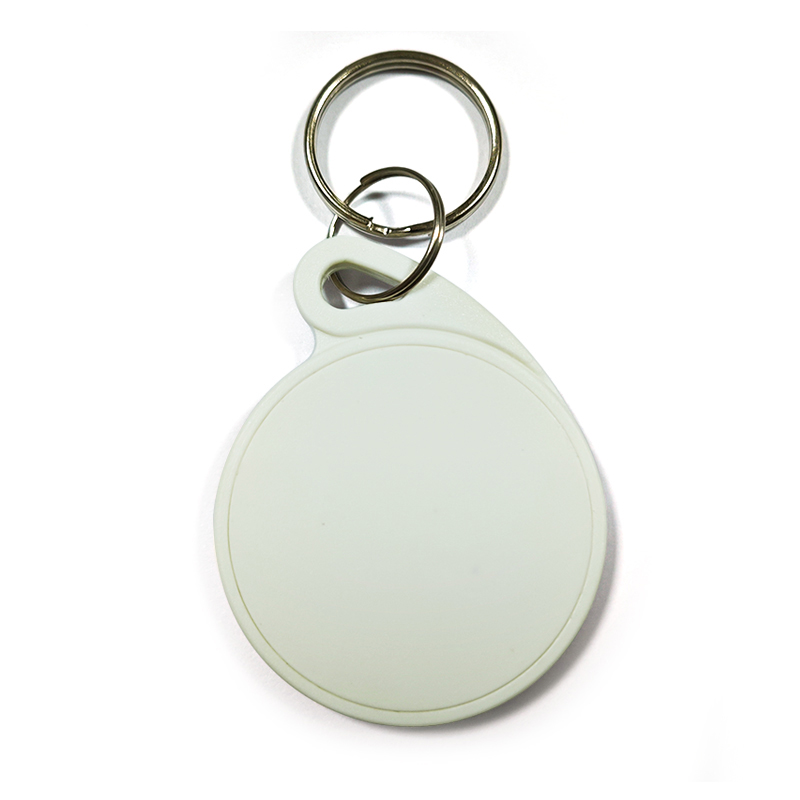
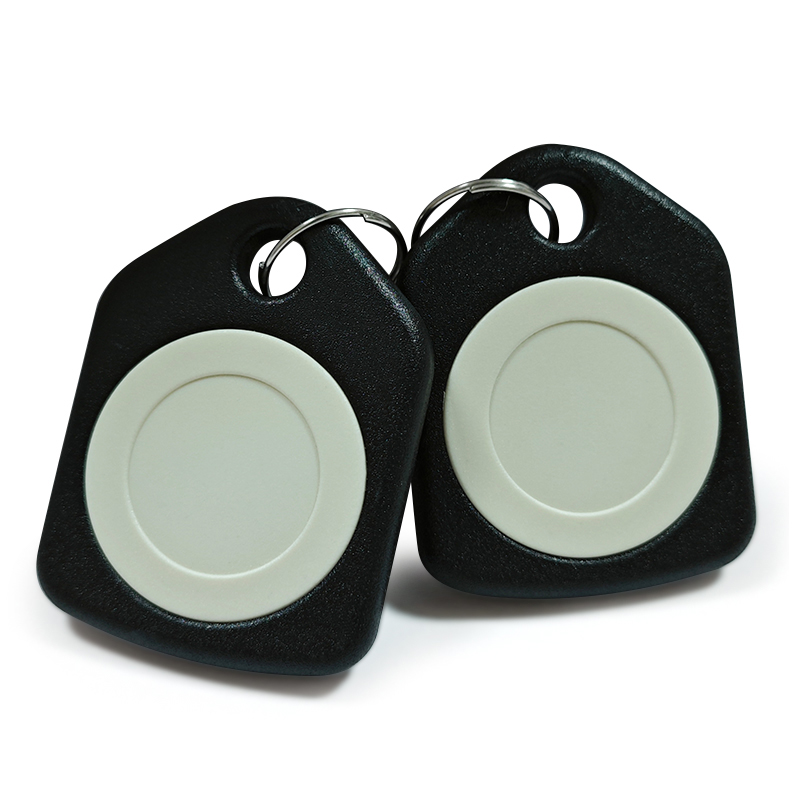
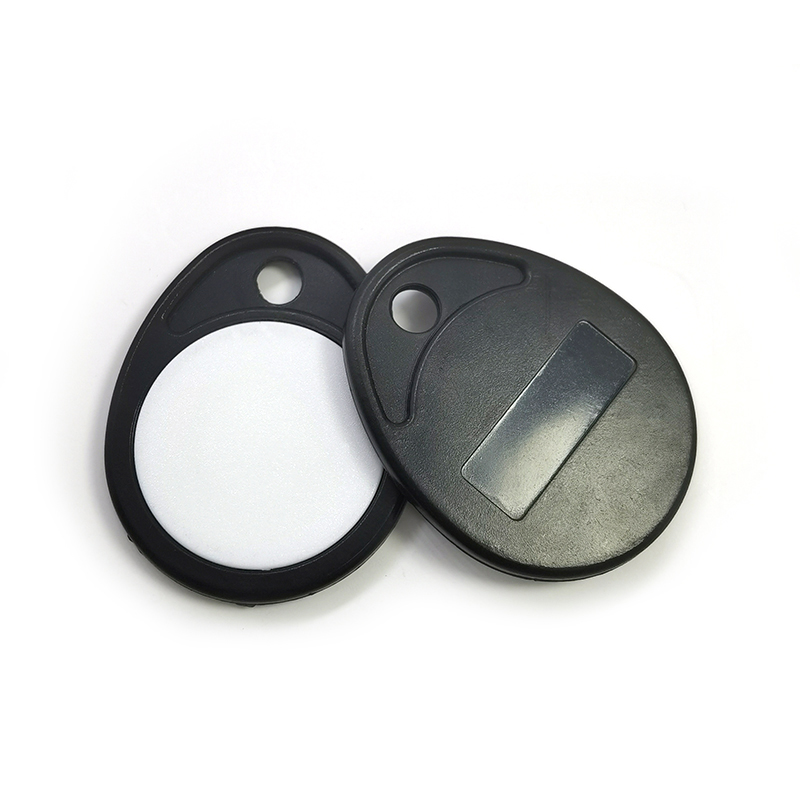
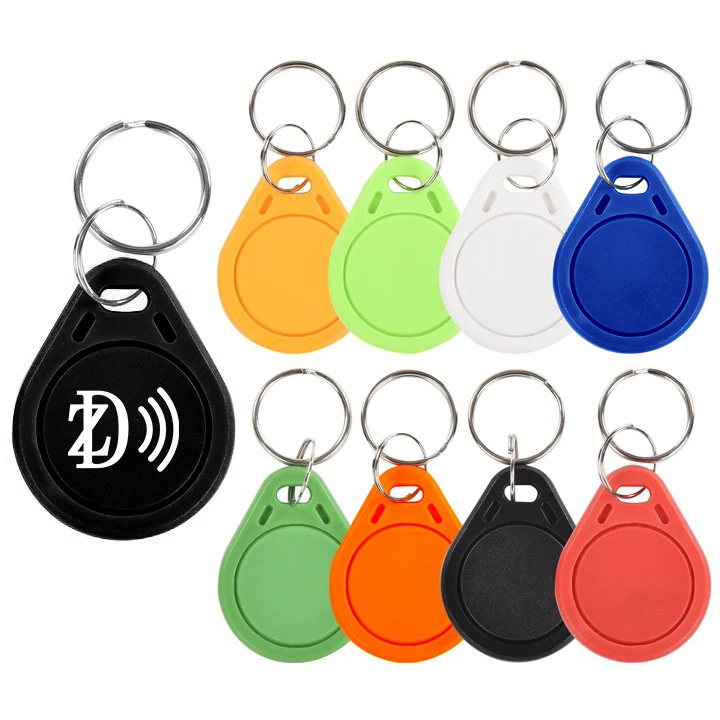
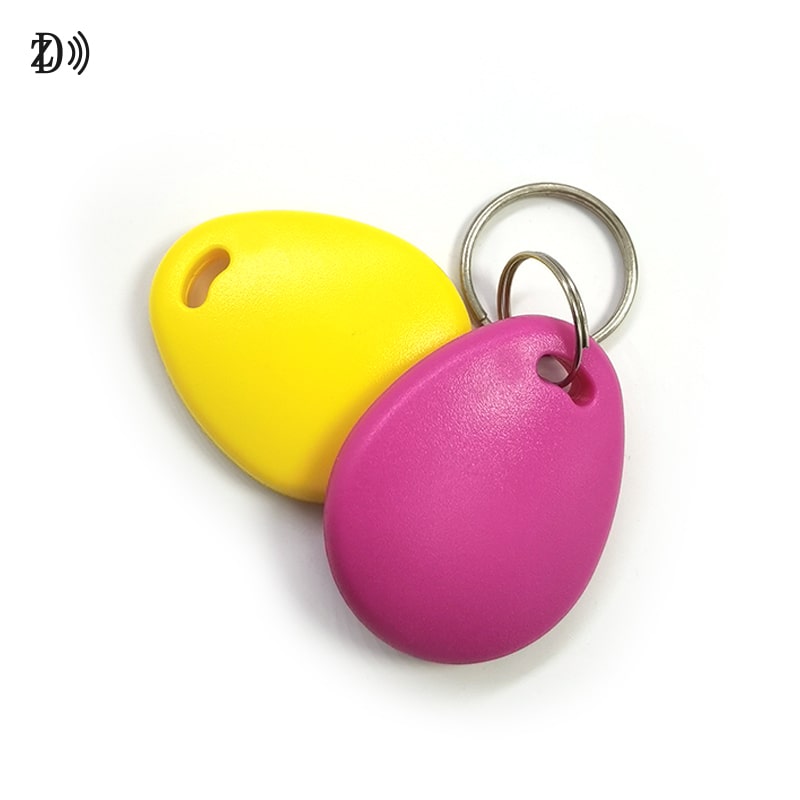
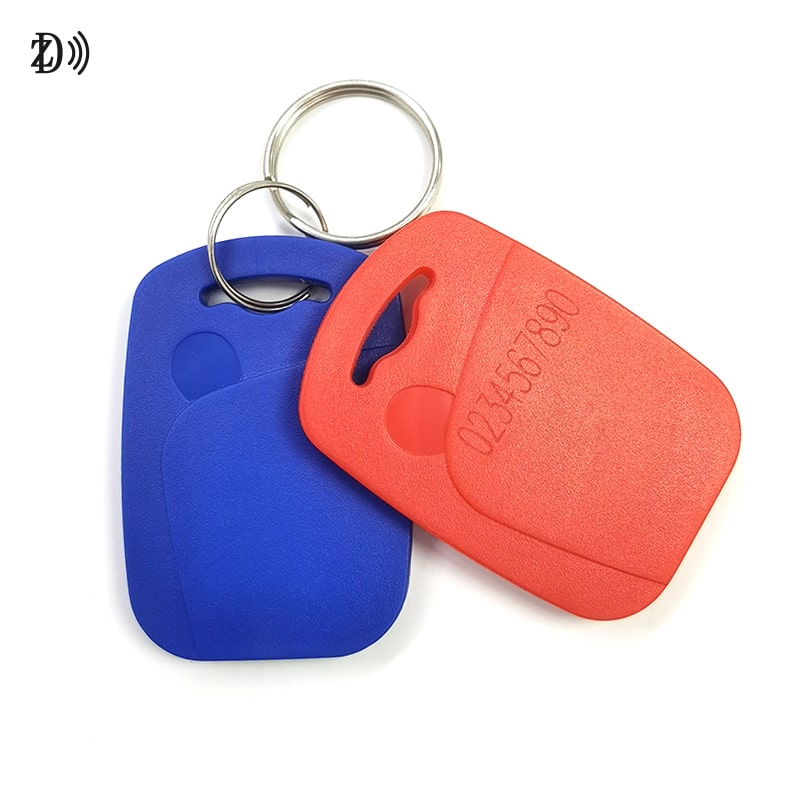
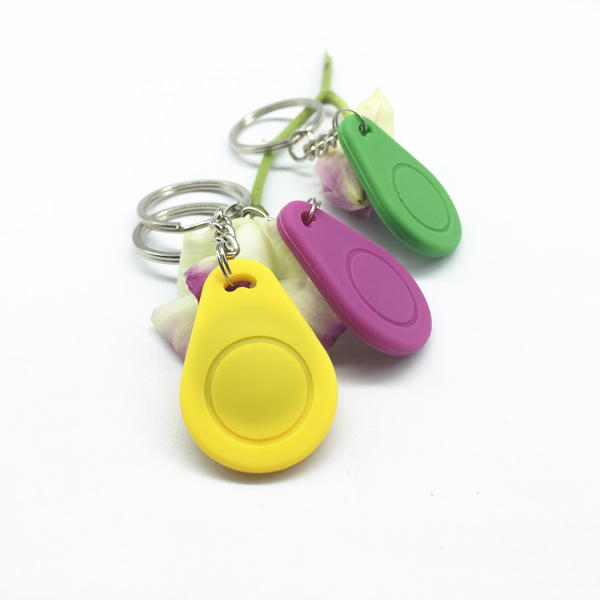
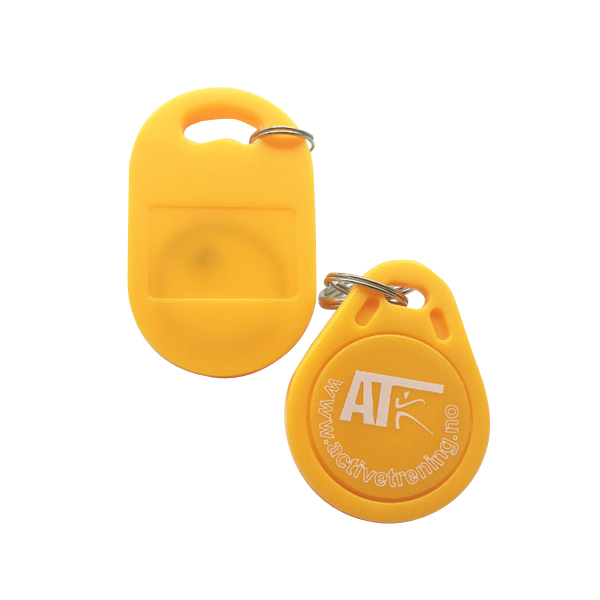
RFID keyfobs are compact, durable tags housed in plastic, ABS, silicone, wood, or leather casings with an integrated key ring. They are widely used for door access control, office and building security, apartment and residential entry, parking management, gym membership, and time attendance systems. Compared with cards and labels, keyfobs are easier to carry on keyrings or lanyards and are less likely to be bent or damaged in daily use. As an RFID and NFC product manufacturer, ZDCARD offers RFID keyfobs in LF, HF, and UHF frequencies, with different chip options and housing materials to match various reader infrastructures.
This category page helps buyers understand the main types of RFID keyfobs, key selection criteria, and available customization options, so they can identify suitable products before requesting a quotation or sample.
How to Choose RFID Keyfobs
When selecting RFID keyfobs, buyers should consider the existing reader system, installation environment, user groups, and long-term management requirements. The following points can help narrow down the options within this category.
Frequency and chip: LF 125 kHz keyfobs (such as EM4100, EM4305, TK4100) are common in legacy door and parking systems. HF 13.56 MHz keyfobs (such as MIFARE Classic, MIFARE Plus, NTAG, ICODE) are widely used in modern building access, office security, and multi-application systems. UHF keyfobs are less common for door access but may be used in vehicle or long-range scenarios.
Housing material: ABS keyfobs are durable and cost-effective for large deployments. Silicone, wood, and leather keychains offer a different look and feel, suitable for hotels, clubs, VIP programs, and branded gifts. Consider whether the keyfobs will be used indoors, outdoors, or in harsh environments such as parking lots, factories, or coastal areas.
Form factor and durability: Standard teardrop or round keyfobs fit most key rings and are easy to distribute to staff, residents, or members. Some designs emphasize waterproof, dust-resistant, or impact-resistant properties for demanding environments. For higher-security sites, discuss chip families with better protection against cloning and unauthorized copying.
Reader compatibility: Confirm the supported frequency, protocol, and chip family with the access-control system provider. For large or multi-site projects, sample testing with actual readers is recommended before mass production.
Management and security: Consider whether you need pre-encoded UIDs, custom data, or specific formatting to match your software. For projects that combine access control with other functions (payment, attendance, membership), a multi-application chip may be more suitable.
OEM Customization for RFID Keyfobs
ZDCARD supports OEM customization for RFID keyfobs used in door access, office security, residential buildings, parking management, gyms, and membership programs.
Keyfob type: ABS keyfob, silicone keychain, wood keychain, leather key fob, or other housing styles
Chip and frequency: LF 125 kHz, HF 13.56 MHz, or UHF 860–960 MHz according to the reader system
Color and shape: Standard colors or custom colors to match branding or user groups
Marking and printing: Logo printing, laser engraving, serial number, UID marking, QR code, or barcode
Data preparation: Pre-encoded UIDs or custom data formatting to align with the access-control or membership software
Packaging: Bulk packing, individual polybags, custom boxes, and delivery labeling
For projects that require special structures, such as dual-frequency tags, metal-edge designs, or specific environmental resistance, ZDCARD can evaluate feasibility based on the application and reader infrastructure.
Factory and Brand Background
ZDCARD is an RFID and NFC product manufacturer based in Shenzhen, China, supplying RFID tags, cards, wristbands, and readers for identification, access control, and asset-management applications. For keyfob projects, ZDCARD provides RFID keyfobs in LF, HF, and UHF frequencies, serving distributors, system integrators, property managers, and facility operators.
The company supports sample testing before bulk order, provides technical guidance on chip selection and keyfob structure, and works with customers on marking, encoding, and packaging requirements to meet their security and management needs.
Frequently Asked Questions
What are RFID keyfobs?
RFID keyfobs are compact contactless tags housed in plastic, ABS, silicone, wood, or leather casings with a key ring. They store a unique identifier or data used by a reader to grant or deny access, and are commonly used for doors, gates, offices, apartments, parking systems, and time attendance applications.
Which frequency should I choose for RFID keyfobs?
The correct frequency depends on your existing readers. LF 125 kHz is common in older door and parking systems. HF 13.56 MHz is widely used in modern building access and multi-application systems. UHF is more typical for vehicle or long-range scenarios. ZDCARD can recommend suitable keyfobs based on your reader specifications.
Can RFID keyfobs be used outdoors?
Many ABS and epoxy RFID keyfobs offer good resistance to water, dust, and normal outdoor conditions. For harsh environments such as parking lots, industrial sites, or coastal areas, it is important to confirm the housing material and IP rating with the system integrator or tag supplier.
Does ZDCARD support sample testing before bulk order?
Yes. ZDCARD can provide samples for function testing and appearance evaluation before bulk production. Sample lead time and cost depend on the keyfob type, chip, and customization requirements.
Can ZDCARD encode data and print logos on RFID keyfobs?
Yes. ZDCARD supports custom logo printing, laser engraving, serial number, UID marking, QR code, barcode, and chip encoding (UID or custom data) according to the customer’s access-control or membership system requirements.
What to Prepare for an RFID Keyfob Inquiry
For product inquiries, please share the target keyfob type (ABS, silicone, wood, leather, etc.), estimated quantity, frequency and chip preference, customization requirements, logo or marking details, and packing details to help us prepare an accurate quotation. If samples are available, sample lead time and sample fee terms may also be provided for reference.